
Introduce short bodyweight sessions and learn to combine walking with structured exercises. Total daily time stays around ten minutes.
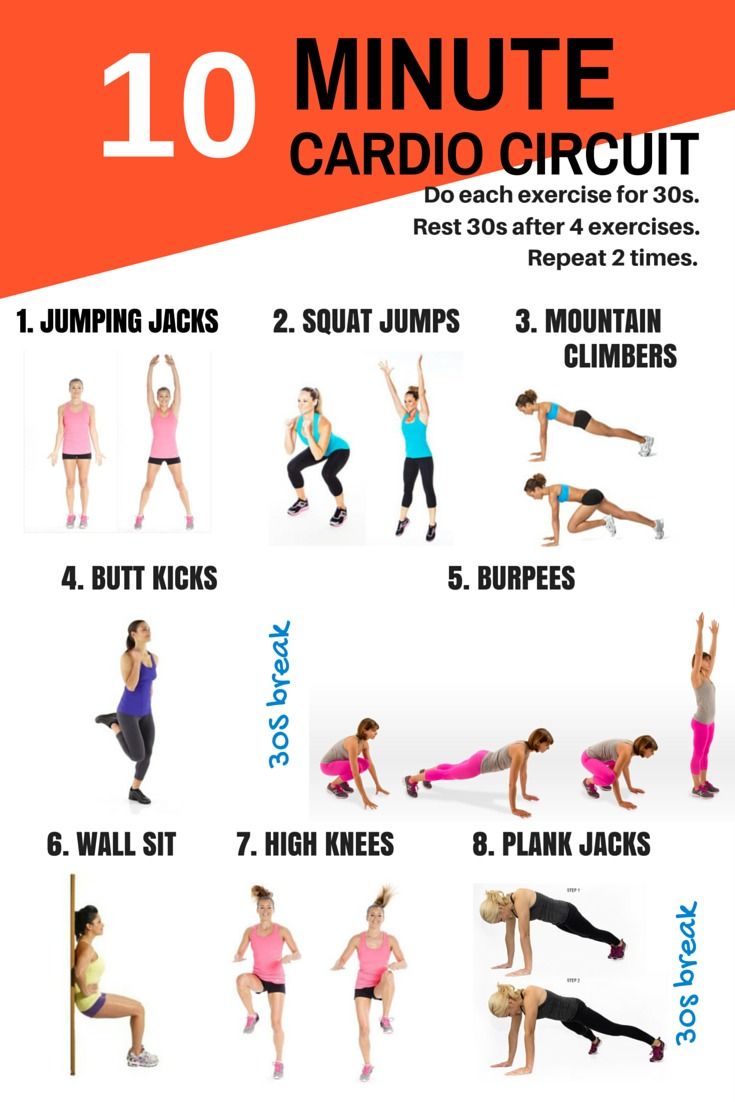
Week 3 replaces the standalone walk with a circuit of bodyweight movements. Each exercise runs 40–50 seconds followed by 10–20 seconds of rest. Complete as many rounds as fit within ten minutes — typically two full rounds for beginners.
The circuit includes squats, plank holds, glute bridges, wall push-ups, and standing knee raises. These movements load major muscle groups without equipment, making them practical in Dutch apartments where space is often limited.
Form matters more than speed. Squats: feet shoulder-width, weight in heels, chest lifted, knees tracking over toes. Plank: elbows under shoulders, straight line from head to heels, glutes engaged. If form breaks down, rest briefly and resume rather than rushing through sloppy repetitions.
40 seconds of controlled squats. Go only as deep as hip and knee mobility allow. Use a chair behind you for confidence if balance feels uncertain. Aim for steady rhythm, not maximum depth.
30–40 seconds. Start on knees if needed — a knee plank still engages core muscles. Breathe steadily throughout; avoid holding your breath during static holds.
40 seconds lying on your back, feet flat, lifting hips until shoulders-knees form a line. Squeeze glutes at the top. Excellent counterbalance to cycling posture.
40 seconds at arm's length from a wall. Lower chest toward wall, push back. Adjust angle — closer feet mean more load. Gentler than floor push-ups for wrist-sensitive individuals.
40 seconds alternating knees. Hold a doorframe for balance if needed. Engages hip flexors and challenges single-leg stability — relevant for stair climbing in canal houses.
Rest 15 seconds between exercises and 60 seconds between full rounds. A timer app with audio cues helps, but a simple watch works equally well.
Week 4 splits the session evenly: five minutes of walking at your Phase 1 comfortable pace, then five minutes of a shortened exercise circuit. This combination mirrors how many people naturally move — locomotion followed by strength — and prepares you for the mixed menu in Phase 3.
Walk first to raise body temperature and lubricate joints. Transition directly into exercises without long breaks; a 30-second pause for water is fine. The five-minute exercise block typically covers squats, plank, and one additional move — rotate daily to maintain variety.
Same route and pace as Phase 1. Focus on smooth breathing and relaxed shoulders. This segment counts as your cardio warm-up.
90 seconds squats, 30 seconds rest, 60 seconds plank. Quality over quantity — eight clean squats beat twenty rushed ones.
Monday/Wednesday/Friday: glute bridges. Tuesday/Thursday/Saturday: wall push-ups. Sunday: knee raises and gentle stretching. Adjust rotation to your preference.
Phase 2 introduces more variables than Phase 1. Keep tracking simple: note which exercises you performed and whether the session felt manageable, challenging, or too easy. A three-point scale in a notebook is sufficient.
Published studies on resistance training have examined how regular bodyweight sessions relate to everyday strength in sedentary adults — we mention this as background reading only, not as a prediction about your experience. Near-daily ten-minute blocks are described here as a habit-building format, not a scientifically validated prescription for any individual.
If you feel mild muscle stiffness after a session, a gentle walk the next day is one option some people choose. If discomfort persists or worsens, pause the exercises and seek advice from a qualified professional. This site does not diagnose or advise on physical symptoms.
After two weeks of micro-training and walk-exercise combinations, your body has experienced three movement types: steady-state walking, dynamic strength, and static core holds. Phase 3 adds mindful practices — yoga and breathing — that emphasise balance and body awareness rather than muscular load.
Before advancing, confirm you can complete the Week 4 split session five days out of seven. If exercises still feel unfamiliar, repeat Week 3 for an additional three days. There is no penalty for moving slowly through the material.
Continue to Phase 3Outdoor bodyweight workshops and park fitness meetups occur across the Netherlands during summer months. These optional events can demonstrate exercise form in a group setting.
| Date | Event | Location | Details |
|---|---|---|---|
| 12 Jul 2026 | Park Bodyweight Demo | Amsterdam | Open-air form tips for squats and planks; free entry |
| 26 Jul 2026 | Walk + Move Combo Session | Haarlem | Group practice of 5+5 minute split sessions |
| 9 Aug 2026 | Urban Fitness Picnic | Utrecht | Informal circuit training in Griftpark |